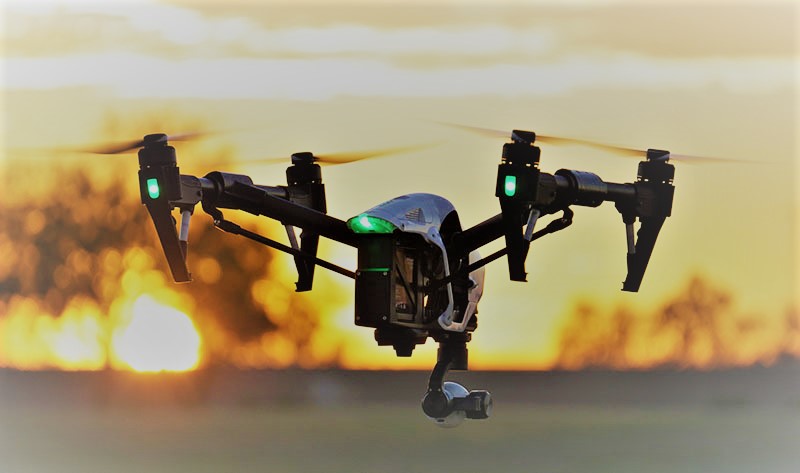
Drones have been used in India for an extended period of time; however their use caught public imagination when a pizzeria in Mumbai delivered a pizza to much fanfare in May, 2014. Since their introduction, drones have opened up several commercial applications in different fields ranging from delivery of products to end consumers, capturing aerial footage, entertainment, transport etc.
It is widely believed that the benefits that can be derived from the application of drones significantly outweigh the risks perceived by the concerned agencies. Drones come in all shapes and sizes and require skilled handlers trained in maintenance and safety protocols. Apart from their recreational value, they offer immense potential specifically in scientific pursuits that often involve high resolution imaging and landscape surveying. Therefore, a critical understanding of the power of this technology and its applications is necessary. This technology has a long way to go, and a fast-growing economy like India’s cannot afford to lag behind in applying this technology.
In India the Director General of Civil Aviation (“DGCA”) issued a circular in August 2018. The Government introduced the Civil Aviation Requirements (CAR) for remotely piloted aircrafts systems, ending a long period of ambiguity and paving the way for civil use of drones in India
The Director General of Civil Aviation released a 37-page document outlining the country’s latest rules and regulations around drones. The list of regulations is lengthy, and it will get longer, as the technology grows, with additional features and accessories made available. Here are some of the important rules and regulations to be aware of before taking your drone airborne.
Key Highlights
-
1.) The DGCA classifies RPA or drones into five broad weight categories –
Nano (under 250gm),
Micro (between 250gm and 2kg),
Small (between 2kg and 25kg),
Medium (between 25kg and 150kg)
Large (over 150kg) - 2.) No drones can be operated within 5km of any metropolitan airports. These include Delhi, Chennai, Kolkata, Hyderabad, Mumbai and Bengaluru airports
- 3.) All drones, irrespective of their size or weight, can only be flown during the day (between sunrise and sunset)
- 4.) A permit is required for commercial drone operations (except for those in the Nano category flown below 50 feet and those in the Micro category flown below 200 feet).
- 5.) Drones cannot be flown more than 400 feet vertically.
Requirements for Drone Equipment in India
Also worth noting is that India has specific requirements regarding the types of features a drone must have to be flown in India (excluding those in the Nano category). These mandatory requirements include:
- 1.) GPS
- 2.) Return-to-home (RTH)
- 3.) Anti-collision light
- 4.) ID plate
- 5.) A flight controller with flight data logging capability
- 6.) RF ID and SIM/No Permission No Takeoff (NPNT)
Foreigners who want to fly a drone in India
Foreigners are not allowed currently to fly drones in India. If you want to use your drone for commercial purpose, then you need to lease the drone to an Indian entity who have Unique Identification Number (UIN) and UAOP from DGCA.
Capturing the amazing beauty of the Indian landscape through drones
The drone flying rules may be slightly overwhelming and foreign nationals being prohibited from flying drones. The best resource for anyone wanting to capture the amazing Indian landscape or film through drones is to tie up with experienced licensed drone pilots in India and enjoy a seamless experience without going through the hassles. India Fixer Gurus offers comprehensive Line Production services in India, including drone flying to give you unparalleled services and mesmerizing footage at most competitive price!
The guidelines issued by the Civil Aviation Ministry and the DGCA may be updated from time to time. It is advised to go through the DGCA website for the latest updates.